
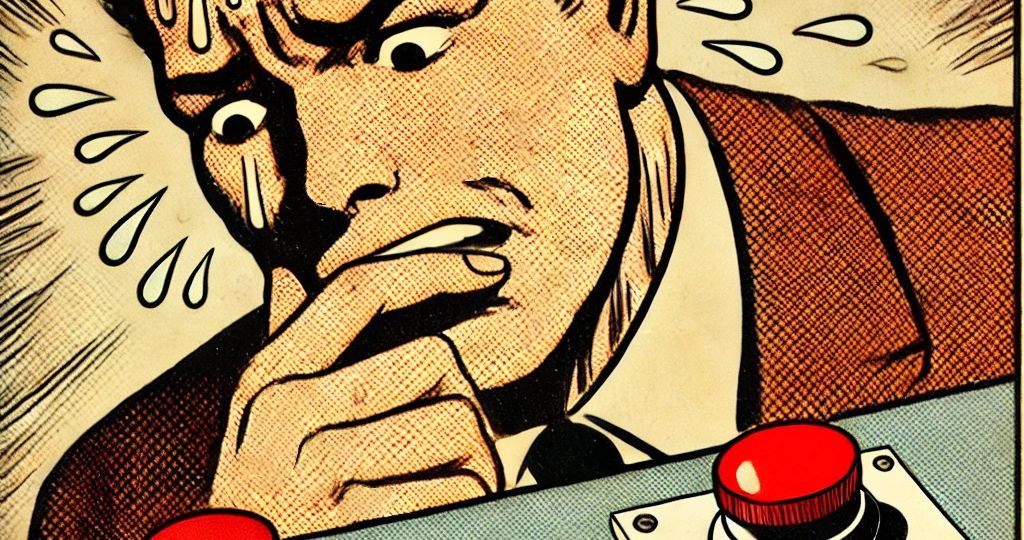
“Take creative risks” is one of those phrases that gets thrown around often—by clients, by managers, by the occasional LinkedIn guru. But what does it actually mean?

Before scheduling a meeting, answer the following questions: 1. Is there a clear purpose for this discussion? Yes → Continue…
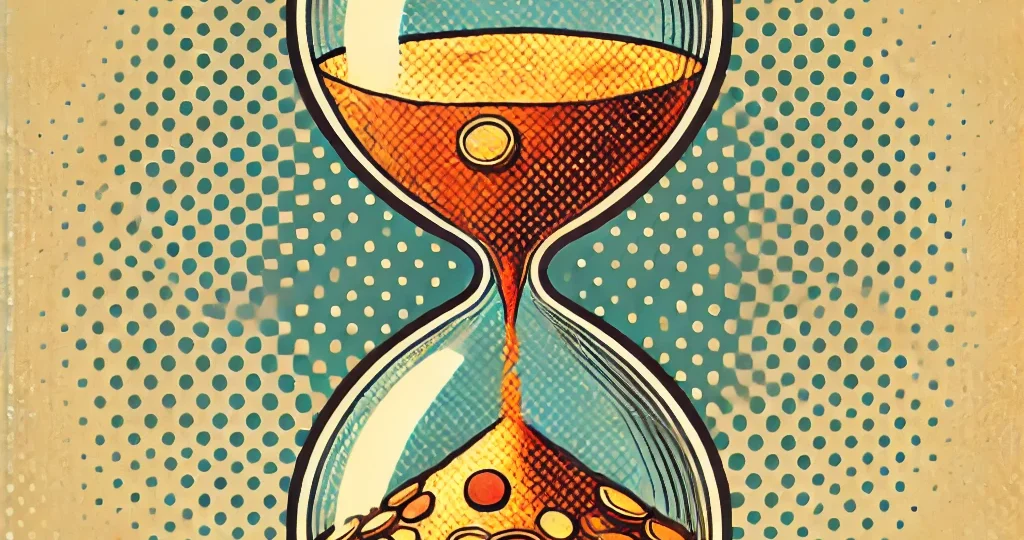
A standing meeting isn’t inherently useful. In many cases, it’s a time sink that disrupts real work. If a weekly meeting doesn’t serve a clear, evolving purpose, it should be reconsidered or removed entirely.

Quarterly planning is a structured approach to setting goals, aligning priorities, and ensuring progress over a three-month period. It offers enough time to achieve meaningful results while remaining short enough to adjust to changes.

Many designers feel unheard at work, whether by managers who don’t understand design, executives who prioritize speed over quality, or clients who assume their personal taste overrides expertise.
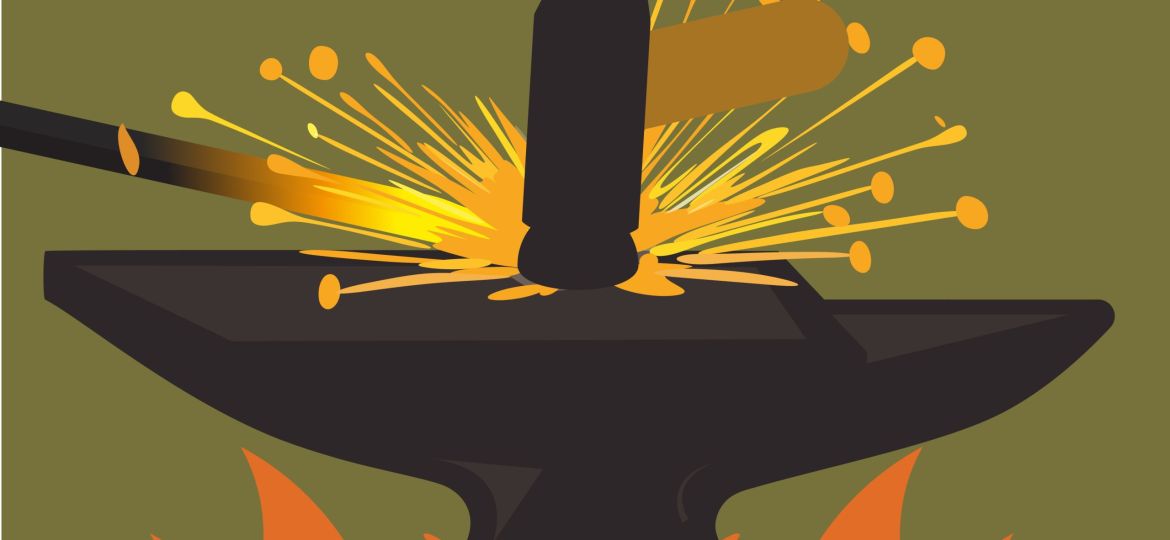
Leadership isn’t a fixed trait—it’s a skill set that evolves. If your leadership style no longer serves you or your team, it may be time to reassess and rebuild. Growth requires reflection, intentional change, and a willingness to unlearn old habits. Here’s how to refine your approach while staying true to your values.

Rush jobs are often framed as an unavoidable part of creative work—an occasional fire drill to keep things moving. But when last-minute projects become the norm, they don’t just disrupt workflow; they erode the foundation of good creative work.

Creativity isn’t about pulling ideas from nowhere—it’s about collecting, interpreting, and reshaping what we take in. If your output feels sluggish, check your input. Then, go outside and fill the well.

This example workflow promotes efficiency, flexibility, and stronger collaboration between creative and marketing teams.

By prioritizing these practices, organizations can ensure that their team members are not only satisfied but also empowered to contribute fully, leading to a more innovative and resilient workplace.