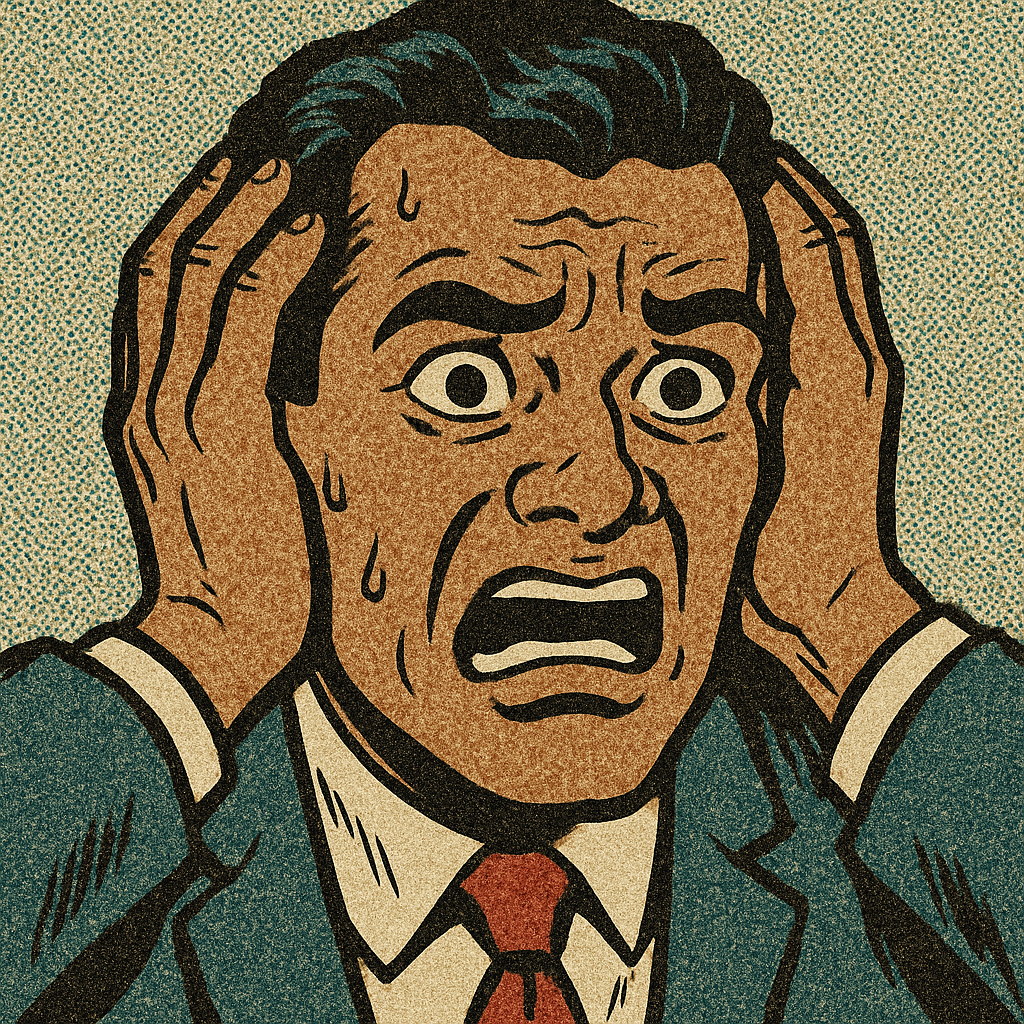
Creativity isn’t a self-sustaining force. It needs fuel. The best work— whether in design, art, writing, or any creative field— comes from a balance of input and output. Yet too often, leadership expects inspiration to appear in a vacuum, relying only on what’s already in their teams’ heads. That’s a mistake.
Creative input is not a luxury for those in your creative team; it’s essential for good creative work.
Without new sights, experiences, and ideas, creative work starts to feel repetitive, derivative, or just plain stale. A designer who never studies new typography trends, an artist who never visits galleries, or a writer who never reads outside their genre will eventually find themselves recycling the same thoughts. The mind needs raw material to process, remix, and transform into something new.
New and helpful material isn’t found sitting at the same desk, in the same room, staring at the same screen. It’s outside. It’s in cities, where architecture, advertising, and human behavior create a constantly shifting visual landscape. It’s in museums, where centuries of artistic experimentation remind us what’s possible. It’s in bookstores, markets, parks, and train stations—anywhere the brain can collect new patterns, textures, and ideas.
Think of it as creative nutrition. If you’re only consuming the same limited inputs— social media, the same playlists, the same four walls— your creative output will reflect that narrow diet. But if you’re constantly feeding your mind with new experiences, your work will have greater depth, originality, and richness.
Feeling blocked? Don’t push harder.
Step away.
Walk through a part of town you’ve never explored.
Traverse a museum, not just to admire the work but to study how it’s presented. Flip through magazines outside your industry. Browse a shop, not to buy, but to analyze colors, layouts, and textures.
Creativity isn’t about pulling ideas from nowhere; it’s about collecting, interpreting, and reshaping what we take in. If your output feels sluggish, check your input. Then, go outside and fill the well.